





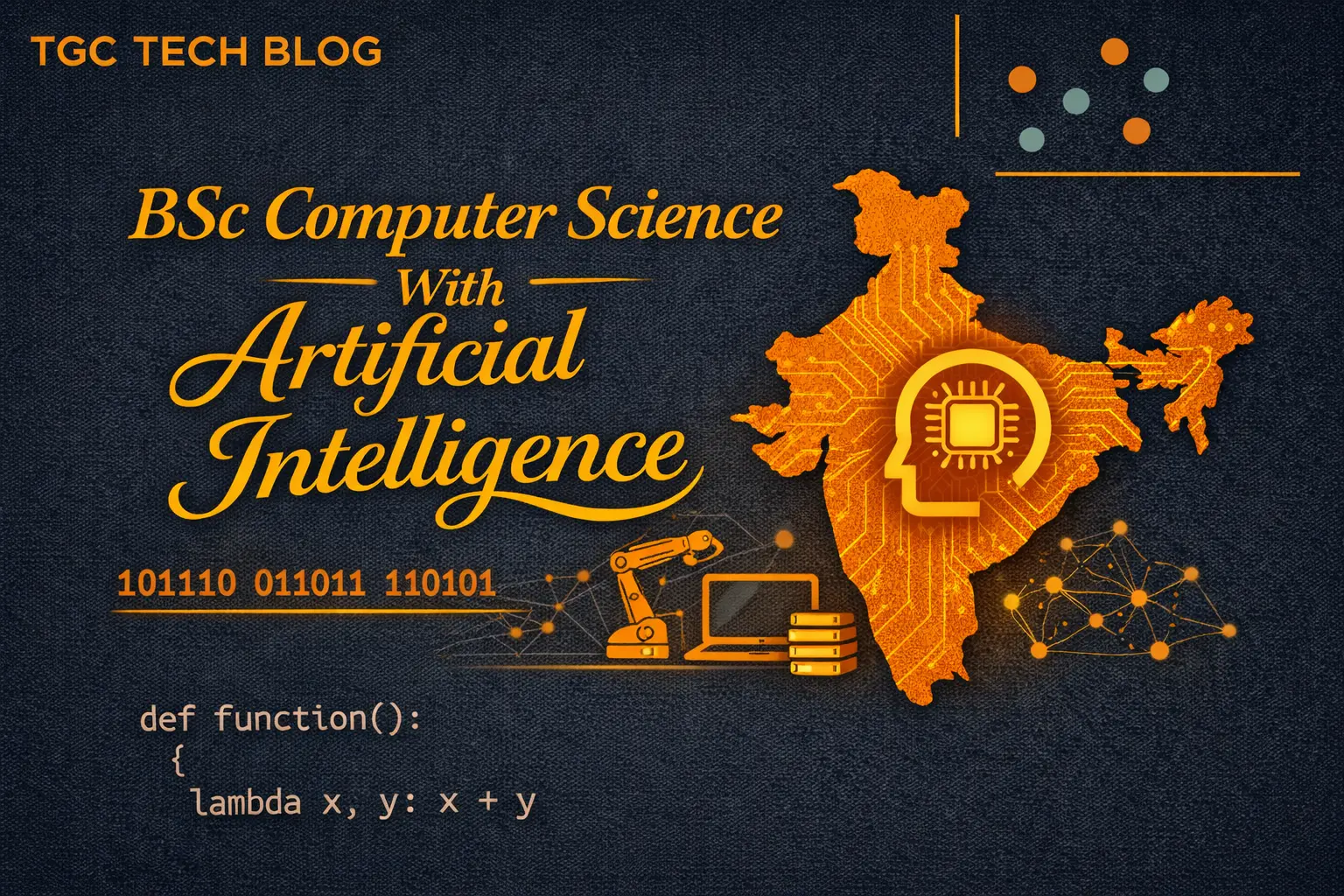
BSc Computer Science With Artificial Intelligence
As we explore the BSc in Computer Science with Artificial Intelligence, we uncover a program that merges essential computer science fundamentals with the innovative world of AI. This unique blend prepares us for a rapidly evolving job market, where roles in AI are not just emerging but expanding. What exactly can we expect from this degree, and how does it position us for success in the tech landscape? Let’s take a closer look at the core components.
Key Takeaways
- A BSc in Computer Science with AI integrates core programming, algorithms, and machine learning principles for a comprehensive tech education.
- Graduates develop skills in multiple programming languages, machine learning techniques, and data analysis, essential for modern tech roles.
- Career opportunities include roles like Machine Learning Engineer and Data Scientist, with salaries typically ranging from $105,000 to $130,000.
- Emerging AI trends emphasize ethics, autonomous systems, and democratization of AI technologies, shaping the future job market.
- Internships provide crucial real-world experience, enhancing employability and bridging gaps between academic knowledge and industry requirements.
What Is a BSC in Computer Science With Artificial Intelligence?
When we explore the BSc in Computer Science with Artificial Intelligence, we discover a dynamic program that combines core computer science principles with cutting-edge AI technologies. This degree offers a thorough BSc overview, designed to equip us with the skills needed for a tech-driven future. The program structure emphasizes both theoretical foundations and practical applications, ensuring we grasp algorithms, data structures, and machine learning techniques. Through hands-on projects and collaborative learning experiences, we engage with real-world challenges, fostering innovation and critical thinking. By blending traditional computer science with AI, we’re not just learning about technology; we’re preparing to shape its future. This unique approach makes our educational journey both exciting and relevant in today’s rapidly evolving landscape.
Core Subjects in the BSC Computer Science With AI Program
As we explore the core subjects of the BSc in Computer Science with Artificial Intelligence program, we find a well-rounded curriculum that balances foundational knowledge with specialized AI coursework. This blend guarantees we acquire essential skills while diving deep into the fascinating world of Artificial Intelligence. Key components of our core curriculum include:
- Programming Fundamentals: Mastering languages like Python and Java.
- Data Structures and Algorithms: Understanding efficiency and optimization.
- Machine Learning: Exploring algorithms that enable computers to learn from data.
- Computer Systems: Gaining insights into hardware and software interactions.
These subjects not only prepare us for the challenges ahead but also lay a strong foundation for a career in technology and AI innovation.
Key Skills Developed in BSC Computer Science With AI
In our journey through the BSc in Computer Science with AI, we gain essential skills that set us apart in the tech world. We become proficient in programming languages, master machine learning techniques, and develop strong data analysis skills. These competencies not only enhance our understanding but also prepare us for exciting career opportunities.
Programming Language Proficiency
While pursuing a BSc in Computer Science with Artificial Intelligence, we gain invaluable programming language proficiency that serves as the backbone of our technical skill set. Understanding various programming paradigms allows us to approach problems in diverse ways, while mastering language syntax enhances our ability to write effective code.
Here are some key skills we develop:
- Proficiency in multiple programming languages (e.g., Python, Java, C++)
- Understanding of object-oriented, functional, and procedural programming paradigms
- Ability to read and interpret complex language syntax
- Experience in developing projects that reinforce coding skills and concepts
These skills not only prepare us for careers in tech but also empower us to innovate in the rapidly evolving field of artificial intelligence.
Machine Learning Techniques
Machine learning techniques form an essential part of our curriculum in a BSc in Computer Science with Artificial Intelligence. We engage in supervised learning and unsupervised learning, understanding how to classify data and find patterns. Reinforcement learning teaches us to make decisions through trial and error, while deep learning allows us to explore neural networks for complex data processing. We also focus on feature engineering to enhance model performance. Model evaluation and algorithm optimization are critical skills we develop, ensuring our models are accurate and efficient. Additionally, we apply these techniques in natural language processing and computer vision, enabling us to tackle real-world problems effectively. This hands-on experience equips us with the tools to excel in the AI field.
Data Analysis Skills
Building on our understanding of machine learning techniques, we develop strong data analysis skills that are essential for interpreting and making sense of complex datasets. These skills enable us to draw meaningful insights and support decision-making processes. We focus on a variety of tools and methods, including:
- Data visualization techniques to present data in a clear and engaging manner
- Statistical analysis methods to uncover trends and patterns
- Data cleaning and preprocessing to guarantee accuracy and reliability
- Interpretation of results to communicate findings effectively
Career Opportunities for Graduates in AI
As we explore career opportunities for graduates in AI, we’ll notice a wide range of job roles emerging in various industries. The demand for skilled professionals in this field is growing rapidly, driven by the rise of new technologies. Let's examine how these factors shape our career paths and the exciting possibilities ahead.
Diverse Job Roles
While pursuing a BSc in Computer Science with a focus on Artificial Intelligence, we open doors to a multitude of diverse job roles. Graduates can explore various exciting career paths that leverage our AI skills. Here are some popular AI job titles we can aim for:
- Machine Learning Engineer
- Data Scientist
- AI Research Scientist
- Robotics Engineer
These roles allow us to contribute to innovative projects, from developing intelligent algorithms to creating advanced robotic systems. As we navigate our careers, we’ll discover how our specialized knowledge can lead us to impactful opportunities across industries. Embracing these diverse job roles guarantees that we’re well-equipped for a dynamic workforce in the rapidly evolving AI landscape.
Industry Demand Growth
The demand for AI skills in the job market is skyrocketing, creating a wealth of career opportunities for graduates like us. As we explore current industry trends, we can see a clear shift towards automation and data-driven decision-making across sectors. Companies are actively seeking professionals who can harness AI technologies to stay competitive.
Here's a glimpse of potential career paths:
| Job Role | Average Salary (USD) | Industry Demand |
|---|---|---|
| AI Engineer | $120,000 | High |
| Data Scientist | $110,000 | Very High |
| Machine Learning Dev | $115,000 | High |
| Robotics Engineer | $105,000 | Moderate |
| AI Researcher | $130,000 | Increasing |
With these opportunities, we're well-positioned to make our mark in the tech world.
Emerging Technologies Impact
Emerging technologies are reshaping our career landscape in AI, opening doors to innovative roles we might not have considered before. As we explore these opportunities, we can see how technology adoption is fueling demand for skilled professionals.
Here are some exciting career paths we could pursue:
- AI Ethics Specialist: Ensuring responsible AI usage through impact assessment.
- Data Scientist: Analyzing data trends to drive technology decisions.
- Machine Learning Engineer: Developing algorithms that enhance AI capabilities.
- AI Product Manager: Overseeing projects that integrate AI into existing products.
With these emerging roles, we’re not just witnessing change; we're actively participating in the evolution of AI, shaping the future of technology and its applications in various industries.
AI's Role in Today's Job Market
As we navigate today's job market, it's clear that AI is reshaping the landscape in ways we couldn't have imagined a decade ago. AI job trends show a surge in demand for professionals skilled in machine learning, data analysis, and automation. Companies are increasingly seeking candidates who can leverage AI to enhance productivity and drive innovation. However, this rapid growth also highlights significant AI skill gaps; many job seekers lack the necessary training to meet these evolving demands. As we prepare for our careers, we must focus on acquiring relevant AI skills to stay competitive. Embracing continuous learning and seeking out hands-on experience will help us bridge these gaps, ensuring we’re ready to thrive in an AI-driven job market.
Choosing the Right University for Your Computer Science Degree
How do we find the right university for our Computer Science degree? It’s essential to make an informed choice that aligns with our career goals. Here are a few factors we should consider:
- University rankings: Research rankings to gauge the institution's reputation and quality.
- Program accreditation: Verify the program is accredited, signaling it meets industry standards.
- Curriculum focus: Look for programs that emphasize Artificial Intelligence, aligning with our interests.
- Faculty expertise: Investigate the qualifications of faculty members to confirm we're learning from experienced professionals.
The Importance of Internships and Practical Experience
While we immerse ourselves in our studies in Computer Science with a focus on Artificial Intelligence, we can't overlook the vital role of internships and practical experience in shaping our careers. These opportunities allow us to apply theoretical knowledge in real-world settings, bridging the gap between classroom learning and industry demands. The internship benefits are numerous: we gain hands-on experience, develop essential skills, and build professional networks that can lead to job offers after graduation. Furthermore, practical experience enhances our resumes, making us more attractive to potential employers. By actively seeking internships, we position ourselves to thrive in a competitive job market and guarantee we’re well-prepared for the challenges ahead in the rapidly evolving field of AI.
Emerging Trends and Predictions in AI
With the rapid advancements in technology, we're witnessing a surge in emerging trends and predictions within the field of artificial intelligence. As we explore the future of AI, we can expect significant developments in several key areas:
- AI ethics: Ensuring responsible use of AI technologies.
- Industry collaboration: Partnerships across sectors to leverage AI for innovative solutions.
- Autonomous systems: Enhanced self-driving vehicles and robotics transforming industries.
- AI democratization: Making AI tools accessible to everyone, fostering creativity and innovation.
These trends highlight the importance of AI governance and predictive analytics in shaping responsible human-AI interaction. Together, we can navigate these changes and embrace a future where AI positively impacts our lives.
Essential Skills for AI Careers
As we explore the world of artificial intelligence careers, it’s essential to recognize the crucial skills that will set us apart in this competitive field. First, we need strong technical expertise in programming languages like Python and knowledge of machine learning algorithms. These are critical qualifications for various AI job roles. In addition, pursuing industry certifications can enhance our credentials and demonstrate our commitment to the field. However, we shouldn't overlook soft skills, such as problem-solving and teamwork, which are equally important in collaborative environments. By developing a blend of technical skills and interpersonal abilities, we can navigate diverse career pathways in AI and position ourselves for success in this dynamic industry.
Frequently Asked Questions
What Prerequisites Are Needed for BSC in Computer Science With AI?
To pursue this degree, we need to meet certain admission requirements. Typically, high school subjects like mathematics, computer science, and physics are essential. These subjects help us build a solid foundation for our studies.
Can I Pursue This Degree Part-Time or Online?
Yes, we can pursue this degree part-time or online! Many programs offer flexible scheduling and utilize online resources, allowing us to balance our studies with work and personal commitments effectively. It's a great option!
What Programming Languages Should I Learn for This Course?
We should focus on learning Python fundamentals and Java basics. These languages are essential for understanding programming concepts and developing our skills in software development, making them vital for any aspiring developer like us.
Are There Any Scholarships Available for This Program?
Yes, there are scholarship opportunities and funding options available for this program. We recommend checking the university’s website and financial aid office for specific scholarships that fit our needs and application deadlines.
How Does This Degree Compare to a Traditional Computer Science Degree?
This degree emphasizes curriculum differences by integrating AI topics, providing us with unique career opportunities. We gain specialized skills that set us apart in the job market, making us more competitive than traditional computer science graduates.
Conclusion
To sum up, pursuing a BSc in Computer Science with Artificial Intelligence opens up exciting avenues for us in the tech world. We gain valuable skills and hands-on experience, preparing us for in-demand roles in AI. As we navigate our academic journey, let's stay curious and proactive, seeking internships and staying updated on industry trends. Together, we can shape the future of technology and make a meaningful impact in the rapidly evolving AI landscape.
Recently Added Articles



.webp)





 Book A Free Demo
  7568111008
 Apply Now


 Please select course category